On March 15th, Toyota Motor Corporation made an announcement that, if validated, represents the most significant advancement in automotive energy storage since the commercialisation of lithium-ion cells in the early 1990s. Their new all-solid-state battery (ASSB) cell, developed in partnership with Idemitsu Kosan, achieves an energy density of 500 Wh/kg—roughly double the best-in-class lithium-ion cells currently in production vehicles.
The headline figure—900 miles of theoretical range in a mid-size sedan—has predictably dominated coverage. But the range figure, while attention-grabbing, is arguably the least important aspect of this breakthrough. Here's why.
Understanding the Real Advantages
Solid-state batteries replace the liquid electrolyte in conventional lithium-ion cells with a solid electrolyte—in Toyota's case, a sulfide-based compound. This seemingly simple substitution has cascading benefits that address nearly every limitation of current EV batteries.
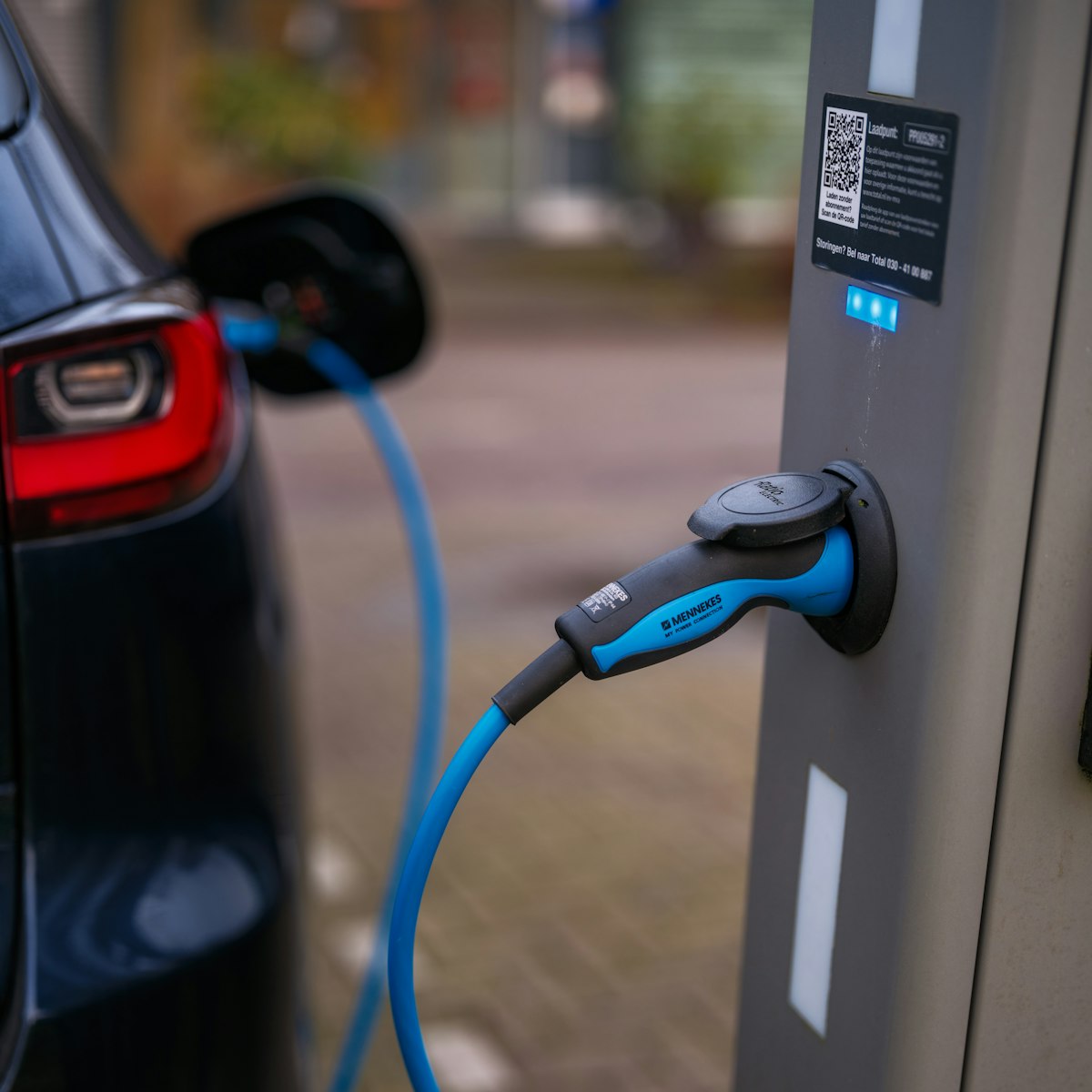
Charging speed: Toyota claims a 10-80% charge in under 10 minutes at rates exceeding 400 kW. The solid electrolyte allows lithium ions to migrate faster and more uniformly, reducing the risk of dendrite formation that limits fast-charging in liquid cells. If achievable in production, this effectively eliminates charging time as a barrier to EV adoption.
Longevity: Internal testing reportedly shows less than 10% capacity degradation after 1,000 full charge-discharge cycles—equivalent to approximately 750,000 miles at the projected energy density. Current lithium-ion cells typically show similar degradation after 500-800 cycles.
Safety: The solid electrolyte is non-flammable, eliminating the thermal runaway risk that necessitates the complex (and heavy) cooling and fire suppression systems in current battery packs. This alone could reduce pack weight by 15-20%, further improving range and efficiency.
The Manufacturing Challenge
The physics of solid-state batteries have been understood for decades. The challenge has always been manufacturing at scale and at a cost competitive with liquid lithium-ion. Toyota's partnership with Idemitsu focuses specifically on this problem, leveraging the petrochemical company's expertise in sulfide compound production.
Toyota's timeline targets pilot production in 2027 and volume production by 2029. Industry analysts we spoke with view the 2027 pilot date as achievable but expect the 2029 volume target to slip by 12-18 months. The bottleneck isn't the cell chemistry—it's building the dry-room manufacturing facilities required for sulfide-based solid electrolytes, which demand even stricter humidity control than current battery factories.
Industry Implications
If Toyota delivers on even 70% of the claimed specifications, the implications ripple across the entire automotive industry. Manufacturers currently investing billions in next-generation lithium-ion gigafactories face the prospect of those facilities becoming obsolete within a decade. Charging infrastructure companies must plan for significantly higher power delivery. And the entire supply chain—from raw materials to recycling—will need to adapt.
The solid-state battery won't render current EVs obsolete overnight. But it represents the kind of step-change improvement that, once commercially available, will accelerate the transition from internal combustion at a pace few current projections anticipate. Watch this space.