A New Apex Predator of the Quarry
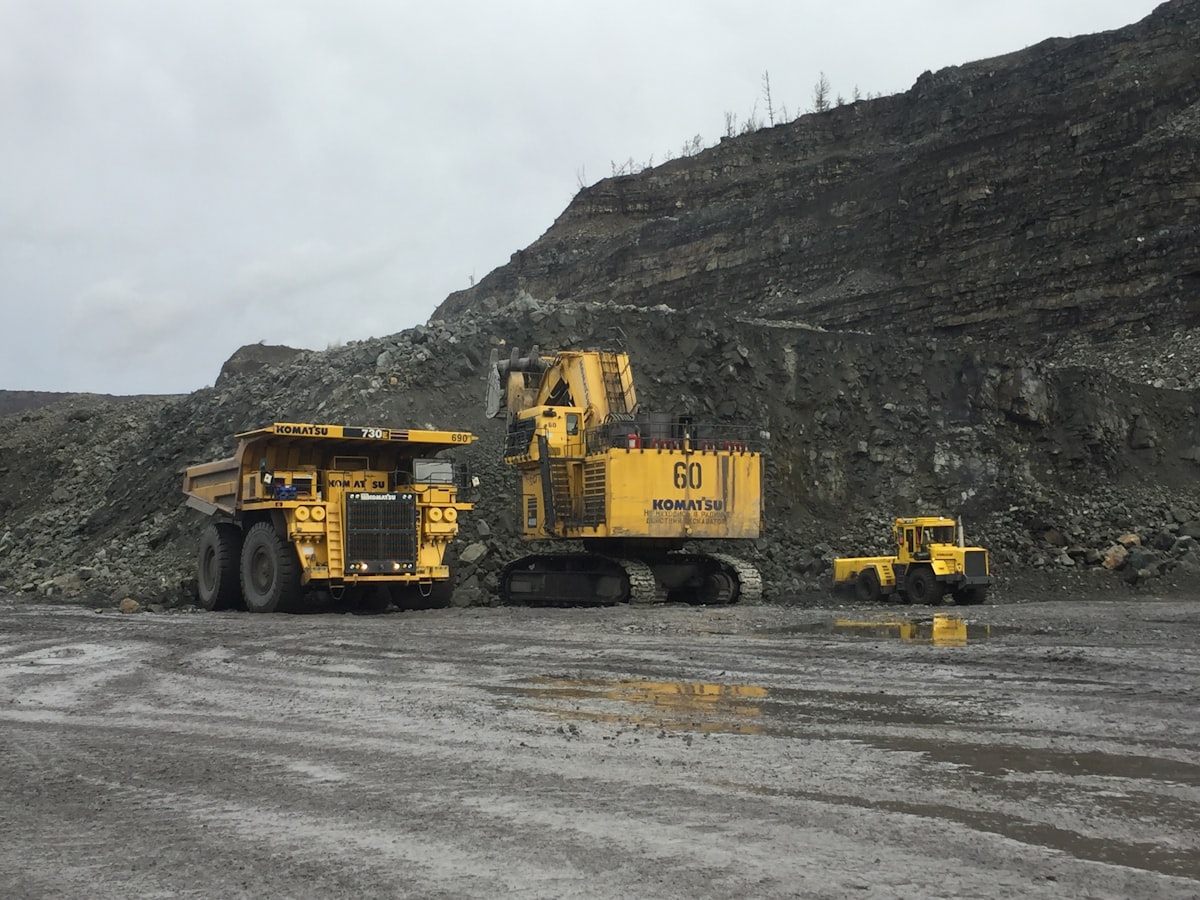
For decades, the hydraulic excavator has been the undisputed king of the earth-moving domain. These are not mere machines; they are titans of industry, their articulated limbs capable of rearranging landscapes with brutal efficiency. Now, Komatsu, a name synonymous with robust construction equipment, has unveiled a new monarch for this domain: the PC9000-12. This isn't just an evolution; it's a seismic statement about the future of heavy machinery, powered not by the rumbling lungs of a diesel engine, but the silent, prodigious might of electric torque. It represents the zenith of Komatsu's storied hydraulic excavator lineage, a machine designed to conquer the most demanding extraction tasks with unprecedented volume and, perhaps more surprisingly, a cleaner conscience.
The Scale of Ambition: 80 Tonnes at a Time
Let's address the elephant in the room – or rather, the mountain being moved. The PC9000-12 is engineered for sheer, unadulterated throughput. Its shovel, a cavernous maw capable of swallowing 80 tonnes of earth, rock, or ore in a single bite, is the key to its staggering operational capacity. Imagine the relentless rhythm: scoop, lift, swing, dump. Repeat. At this scale, the operational rate becomes truly astronomical, nearing 8,000 tonnes per hour. This isn't just moving dirt; it's reshaping continents, one colossal scoop at a time. The engineering required to manage and deliver that kind of hydraulic force, to articulate those massive components with precision and speed, is in itself a marvel. It pushes the boundaries of hydraulic system design, material science, and drivetrain integration.
Electrification's New Frontier: Beyond the City Limits
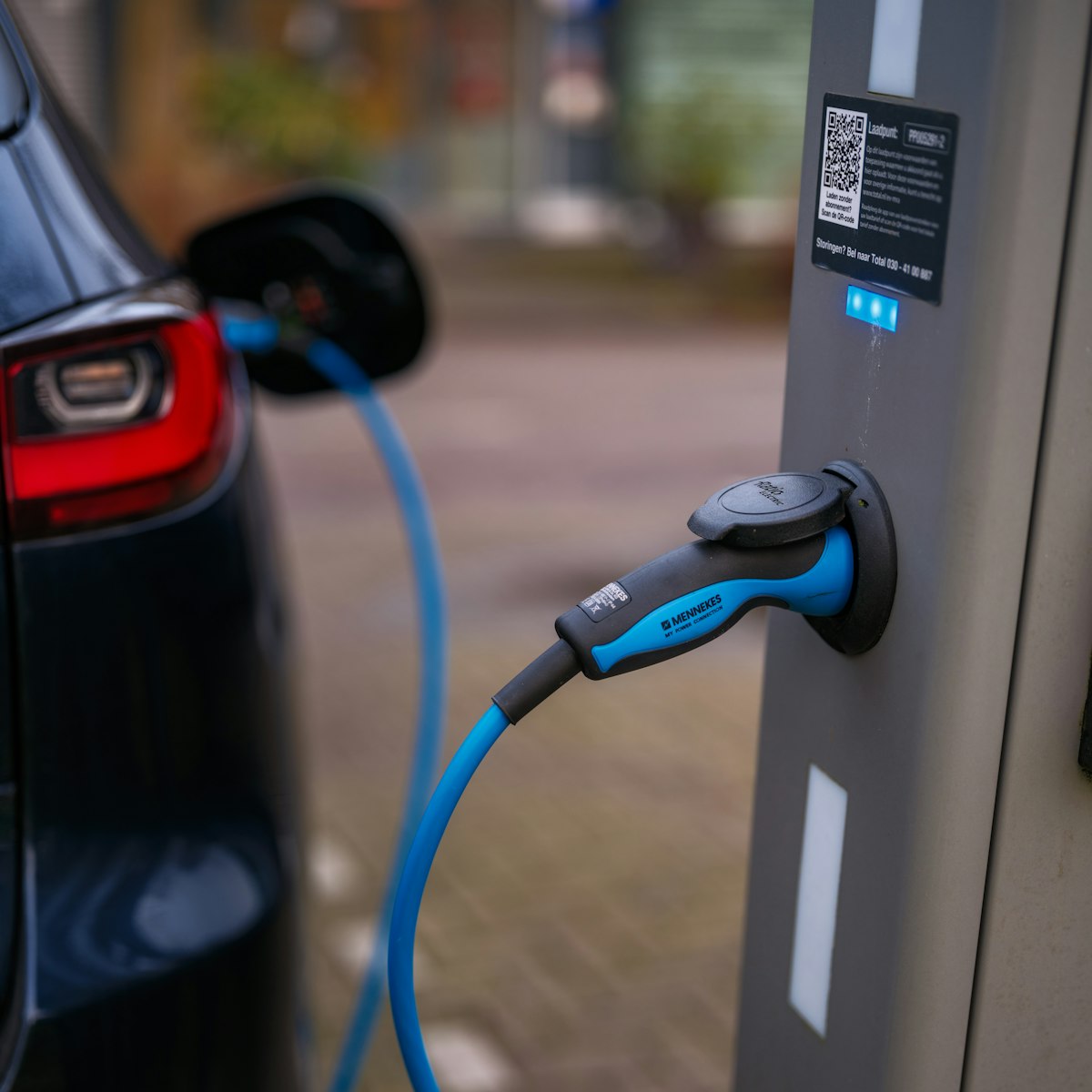
The adoption of electric powertrains in heavy construction equipment represents a pivotal shift. For years, the sheer power demands and the harsh, often remote, operating environments of mining and quarrying seemed insurmountable for anything less than a diesel engine. However, the PC9000-12 makes a compelling case that electrification is not merely a trend confined to urban mobility, but a fundamental technological leap capable of transforming even the most arduous industrial applications. The benefits are manifold, extending beyond environmental considerations. Electric motors offer instant torque, which translates to superior responsiveness and control, critically important when manipulating such immense forces. Furthermore, the reduction in noise pollution is significant, improving working conditions and community relations. The absence of exhaust fumes drastically improves air quality on-site. While the infrastructure for this kind of power draw is substantial, the long-term operational cost savings, coupled with reduced maintenance needs (fewer moving parts compared to a diesel-electric hybrid), present a compelling economic argument.
Engineering Prowess Under the Skin
The heart of the PC9000-12 lies in its sophisticated electric-drive system. While Komatsu hasn't divulged every granular detail of the motor configuration, it's understood to be a powerful asynchronous motor arrangement, designed to deliver the prodigious torque required to drive the immense hydraulic pumps. These pumps, in turn, are the arteries of the machine, feeding high-pressure fluid to the cylinders that articulate the boom, stick, and bucket. The control systems must be exceptionally advanced, precisely metering hydraulic flow to ensure smooth, controlled movements, even under extreme load. Think of it as a ballet dancer wielding a sledgehammer – delicate control is paramount. The chassis and undercarriage are, of course, engineered to withstand the colossal forces generated by the machine and its payload. The sheer mass of the PC9000-12, likely well in excess of 100 tonnes, demands robust structural integrity and carefully managed weight distribution. The transition from combustion to electrification here is not a simple swap; it requires a complete re-evaluation of how motive and operational power are delivered and controlled.
"This isn't just about moving more material; it's about redefining what's possible and how we achieve it."
Komatsu's move with the PC9000-12 signals a clear intention to lead the charge in electrifying the heavy equipment sector. As other manufacturers begin to follow suit, we can anticipate a future where gigatonnes of material are moved with significantly reduced environmental impact. The challenges are considerable – grid capacity, charging infrastructure in remote locations, and the sheer initial investment. Yet, the trajectory is undeniable. The PC9000-12 stands as a monumental testament to the transformative power of electrification, proving that even the most earth-shattering tasks can be undertaken with a more refined, more potent, and ultimately, more sustainable approach.