The Genesis of Localised Power
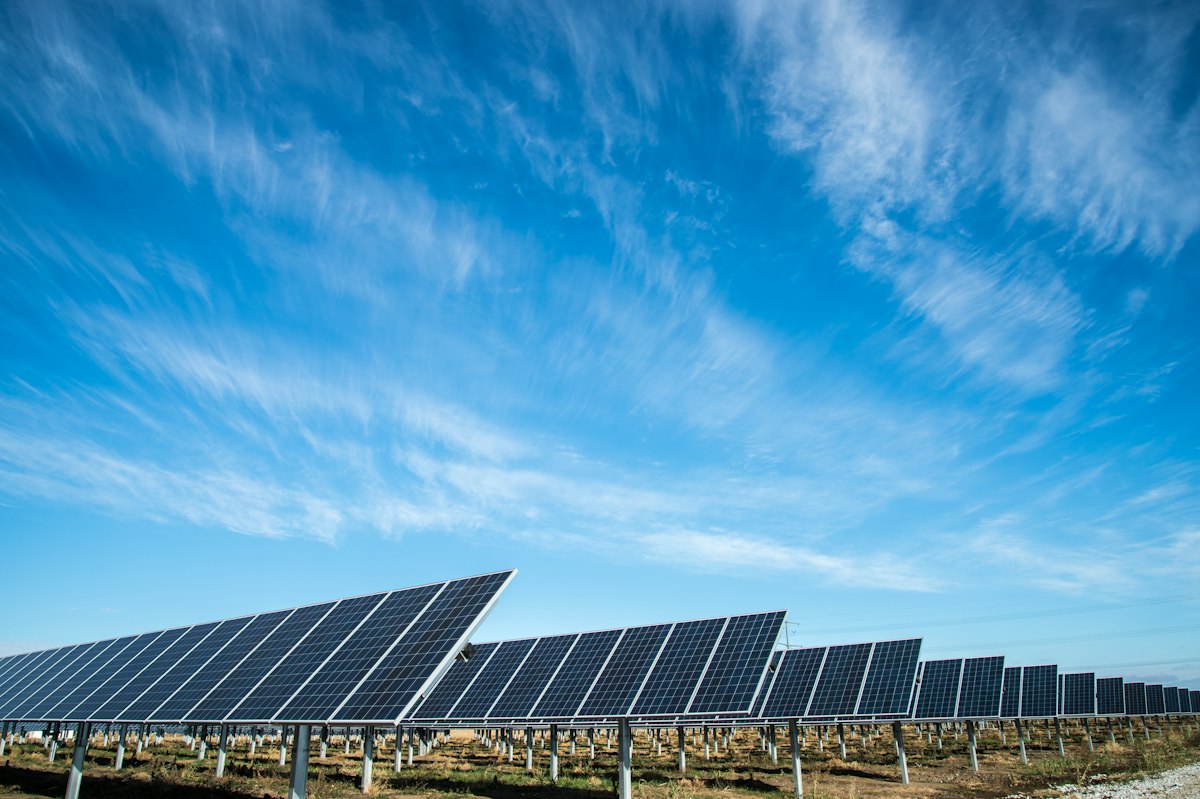
The hum of progress is often measured in horsepower, but increasingly, it’s the quiet efficiency of the electric motor, powered by the very earth beneath our wheels, that is reshaping the automotive narrative. In Ohio, a state with a rich industrial heritage deeply entwined with the internal combustion engine, a new chapter is being written. A significant utility-scale solar farm has recently come online, and it’s not just another green energy project; it’s a deliberate assertion of regional capability, drawing its power from photovoltaic panels manufactured on its very doorstep.
This development is more than just a statistic for renewable energy generation; it’s a strategic pivot. In an era where geopolitical tremors can disrupt supply chains with alarming speed, the deliberate choice to source critical components domestically holds a particular resonance. For enthusiasts who appreciate the intricate choreography of engineering and manufacturing, the idea of a solar farm being powered by components crafted within the same state feels akin to a bespoke automotive craftsman sourcing materials from a nearby supplier, ensuring quality, consistency, and a certain pedigree.
An Engineering Analogy: The Drive Train of Decarbonisation
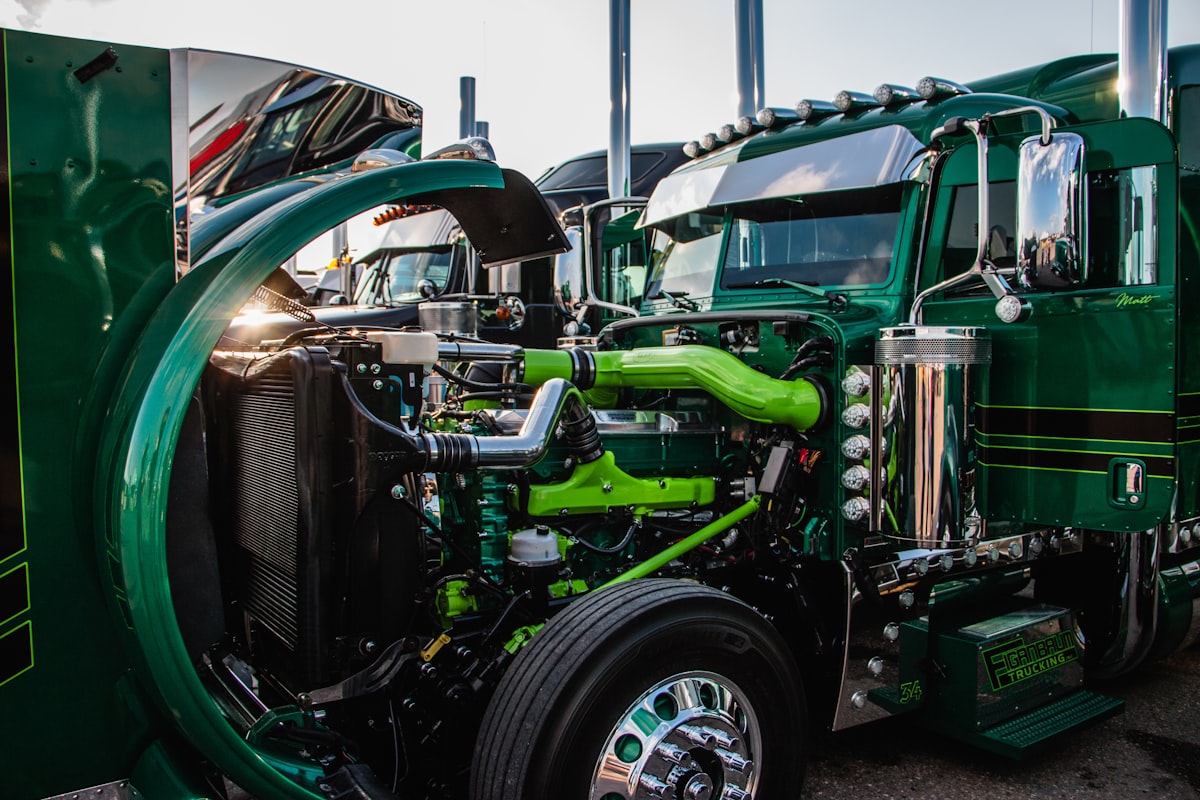
One might be tempted to dismiss this as a simple matter of local incentives and job creation. Whilst these are undeniably important facets, viewing it solely through that lens would miss the deeper engineering and strategic implications. Consider the internal combustion engine: its efficiency, torque delivery, and ultimate performance are intrinsically linked to the precision of its components – the crankshaft, the pistons, the camshafts, all honed and assembled with exacting tolerances. The quality of the raw materials and the manufacturing processes directly translate into the character and capability of the final product.
Similarly, the performance of a solar farm is dictated by the quality and efficiency of its photovoltaic panels. These aren't mere commodities; they are sophisticated semiconductor devices. The purity of the silicon, the precision of the doping processes, the integrity of the electrical connections, and the robustness of the encapsulation are all critical factors that determine how effectively sunlight is converted into usable electricity. When these panels are manufactured locally, with stringent quality controls and a vested interest in the long-term performance within that same regional grid, it fosters a loop of accountability and continuous improvement that resonates with the very principles of automotive excellence.
The Voltrae Perspective: Beyond the Wattage
“It’s about more than just generating electrons, isn’t it? It’s about the provenance of that energy. In an industry that prides itself on performance and tangible engineering, where does the ‘feel’ of sustainably generated power lie? When the infrastructure powering our increasingly electric future is itself rooted in local manufacturing, there’s an inherent robustness, a tangible connection to the region’s industrial spirit that is undeniably compelling.”
At Voltrae, we often dissect the soul of a machine – the way its chassis communicates with the road, the response of its drivetrain, the intricate interplay of its electronic brain. While this solar farm isn't a machine in the traditional automotive sense, the principles of engineering excellence and thoughtful implementation are universal. The choice to build this facility with Ohio-made solar panels suggests a commitment to a more resilient and integrated energy ecosystem. It’s an acknowledgement that the components matter, that their origin story can, in a subtle yet significant way, enhance their perceived value and reliability.
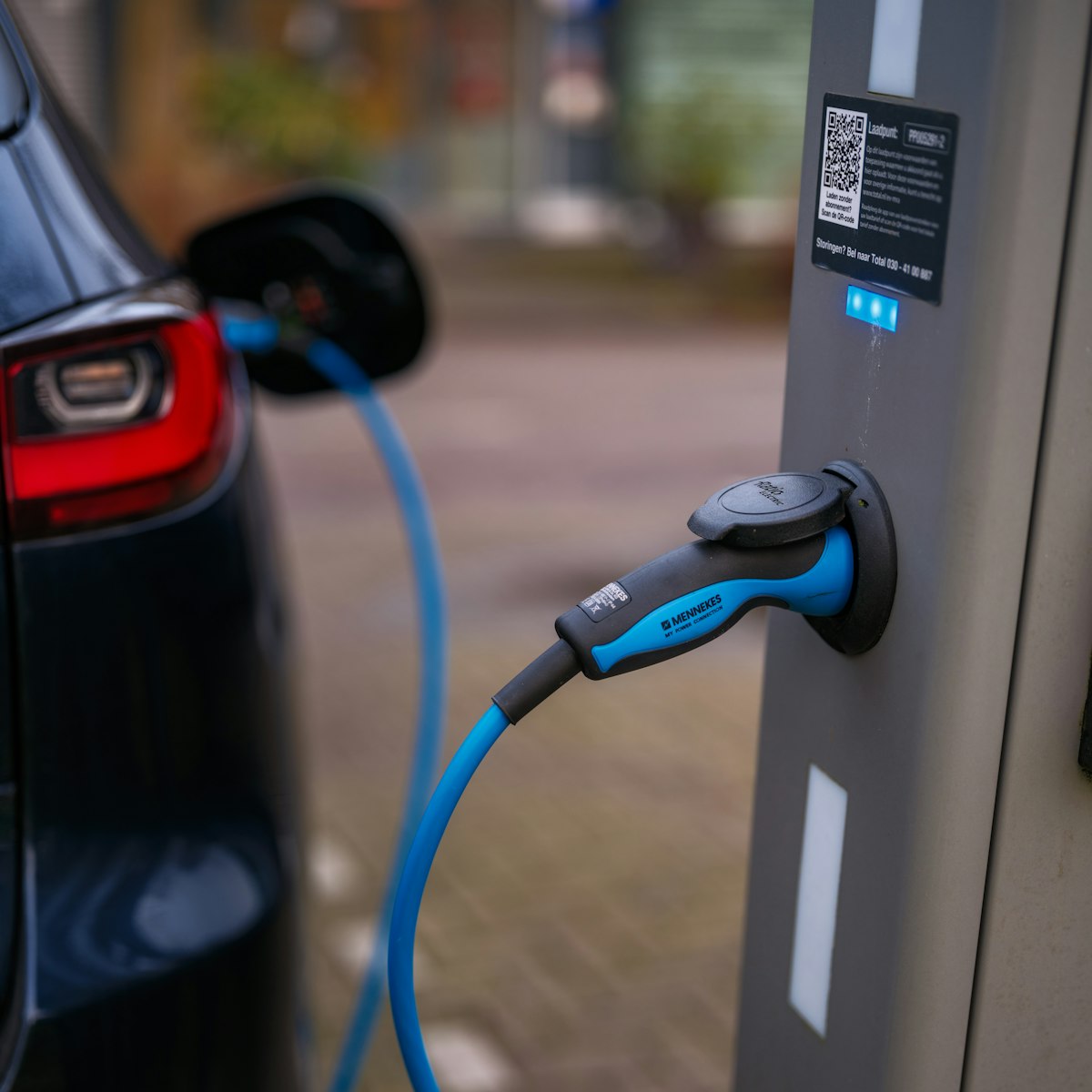
Furthermore, this localised approach to renewable energy generation has direct implications for the automotive sector. As electric vehicles become more prevalent, the source of the electricity that charges them becomes paramount. A grid powered by locally manufactured solar panels, rather than those shipped across continents, offers a more transparent and arguably more sustainable charging solution. It reduces the carbon footprint associated not only with the energy generation itself but also with the transportation of the infrastructure. This aligns perfectly with the discerning owner who values not just the performance of their electric vehicle but also the holistic environmental impact of their choice.
The Road Ahead: A Brighter, More Localised Horizon
The implications of Ohio’s solar initiative extend far beyond the state’s borders. It serves as a blueprint for how other regions can foster domestic manufacturing capabilities in critical green technologies. For the automotive industry, this translates into a more predictable and potentially cleaner energy supply chain as it transitions towards electrification. When the very power sources are built with the same dedication to quality and regional pride that defines a finely engineered automobile, the future of mobility appears not only brighter but also more grounded.
This project in Ohio is more than just a power plant; it’s a statement. It’s a declaration that the future of energy, much like the future of personal transport, can be robustly constructed, thoughtfully engineered, and with a deep appreciation for where its components originate. As we continue to chase the horizon in our electric steeds, knowing that the energy flowing into their batteries might have been harnessed by panels forged in the same heartland that once roared with the sound of V8s, adds an unexpected but welcome layer of narrative to the journey.